

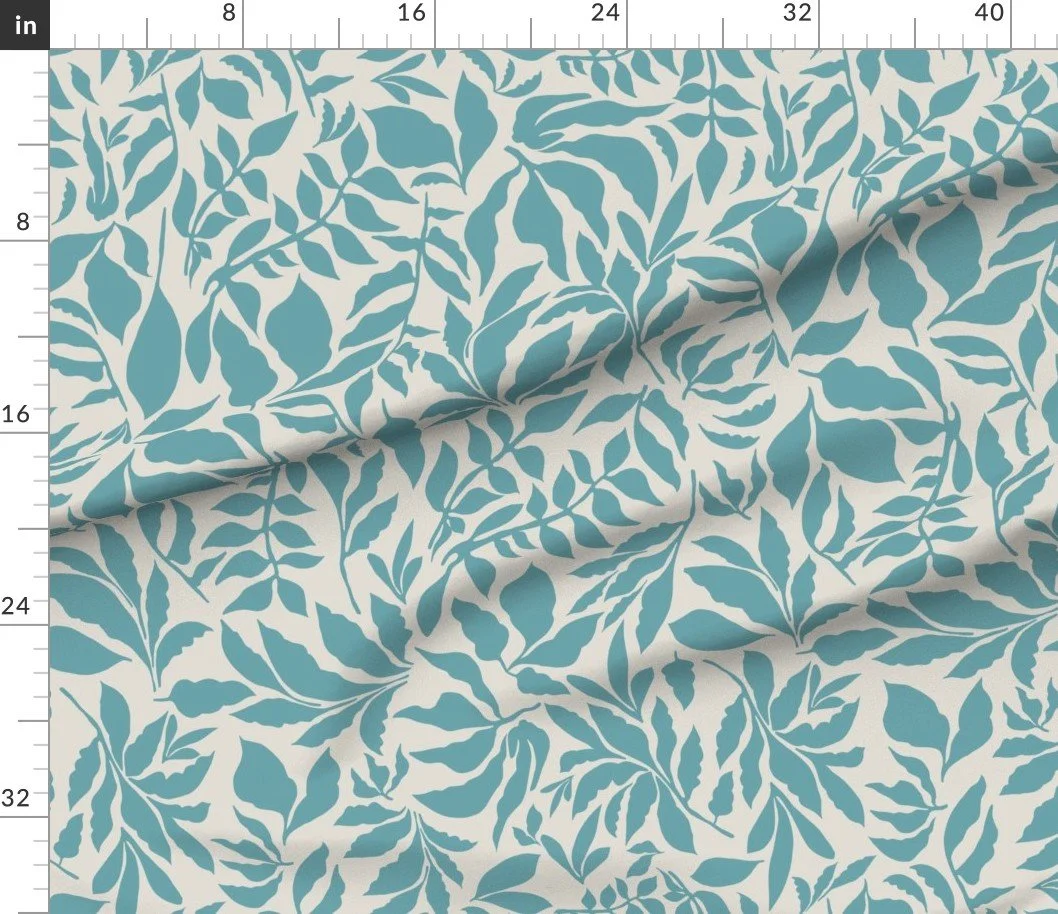
How to Test Your Textile Design Before Production: Minimising Risk While Maximising Beauty
Testing your textile design before production is essential for avoiding costly mistakes and ensuring your colours, scale, and fabric choice perform beautifully in real‑world conditions. From digital repeat testing and colour accuracy checks to evaluating fabric strength, UV resistance, and tactile feel, a thorough pre‑production process protects your client’s investment and brings your design vision to life with confidence. In this article, I share my step‑by‑step workflow — including a recent custom upholstery project for an award‑winning Auckland interior designer — to show exactly how to minimise risk and achieve flawless, luxurious results.
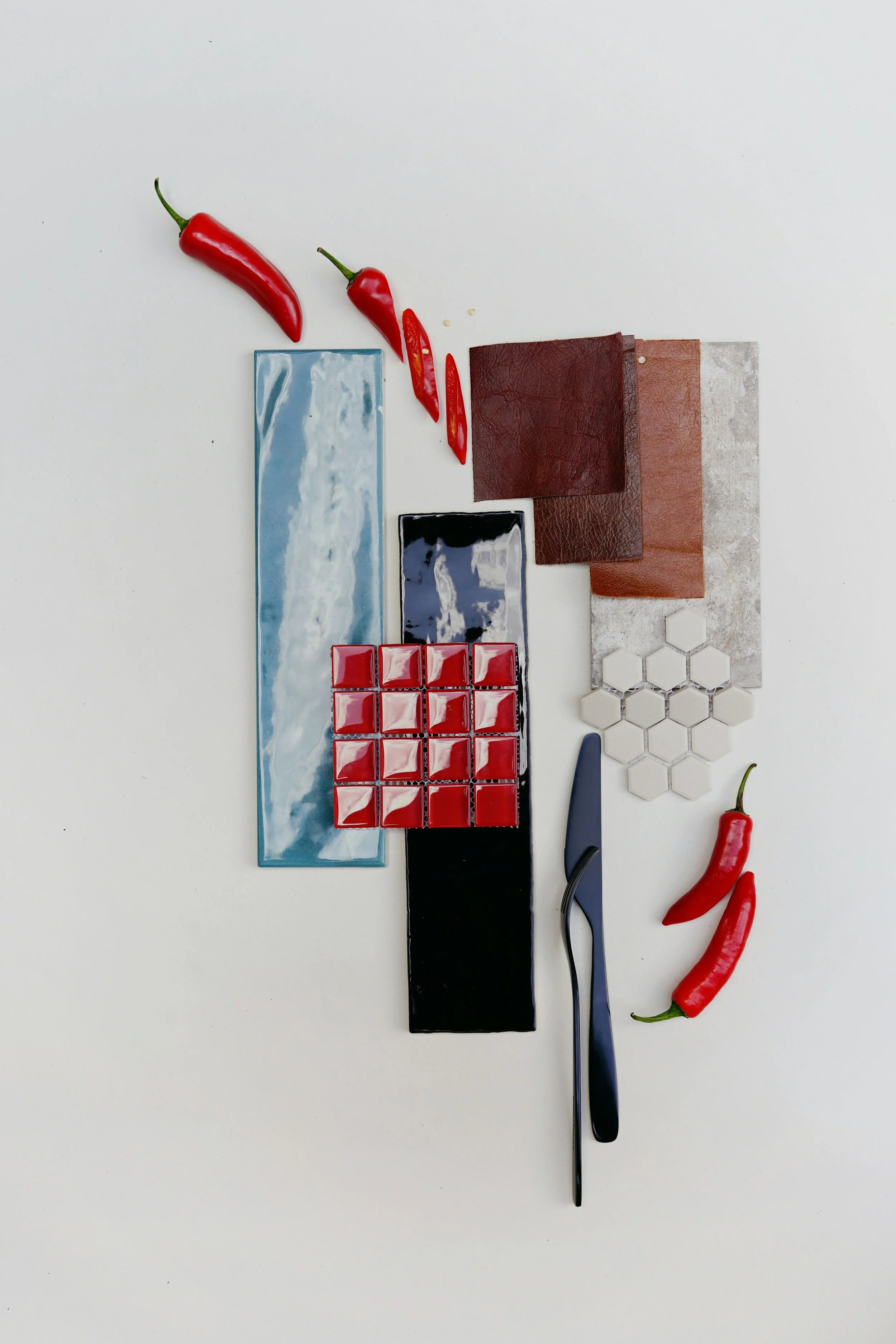
Custom Textile Patterns: From Concept to Production
In luxury interiors, textiles set the tone of a space. A custom pattern can bring a concept to life, tie together a palette, or create a signature look for a brand. But turning an idea into a finished, production‑ready textile works best when the process is clear and collaborative.
This guide walks interior designers and luxury brands through each stage of creating bespoke patterns — from shaping the brief and building a focused mood board to sketching, digitising, refining colour, and preparing final files. It’s a simple, structured overview designed to reduce revisions, protect your creative intent, and ensure every textile is ready for upholstery, drapery, and wallcoverings.
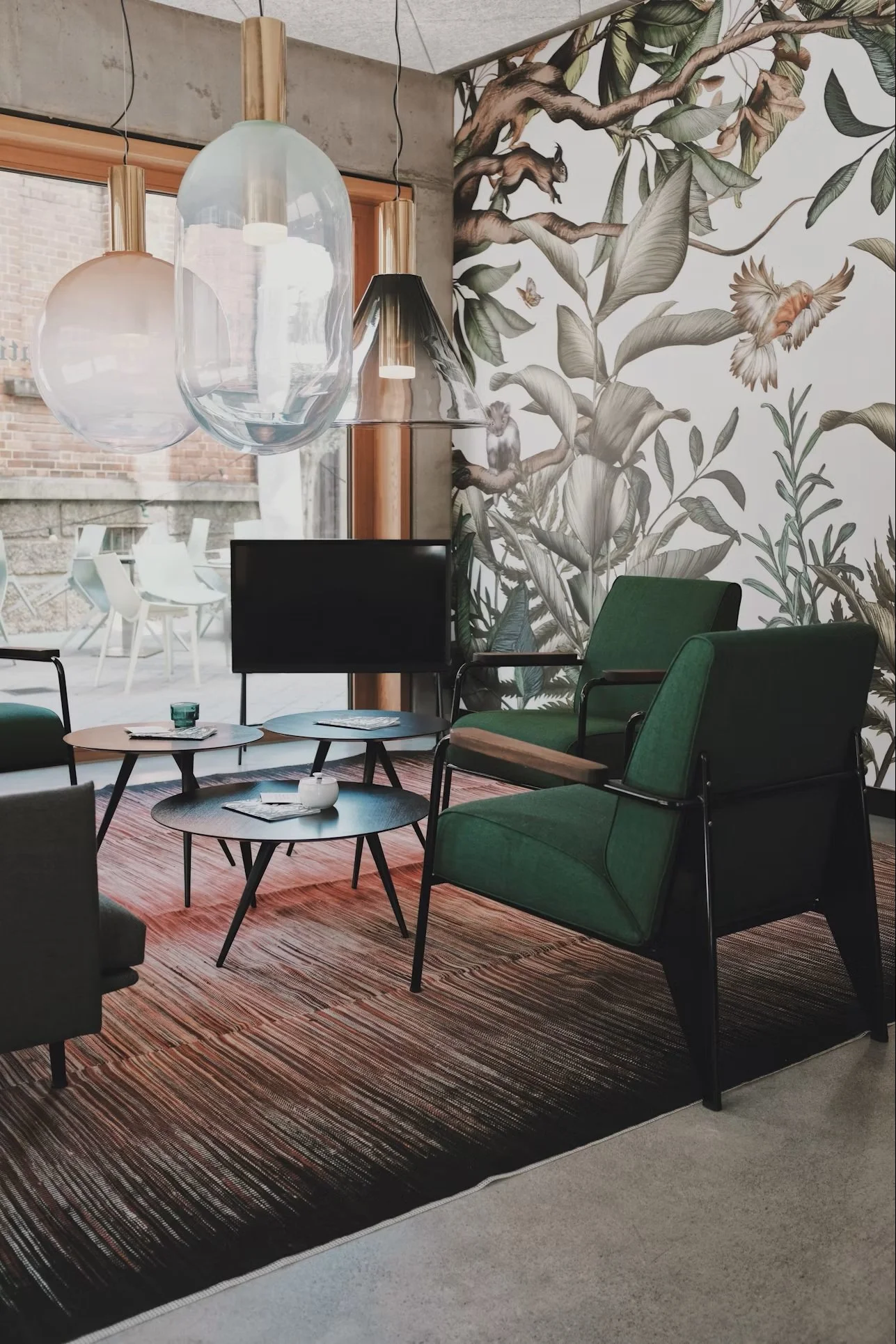
7 Key Design Considerations for Textiles
Designing textiles is a blend of creativity and real‑world problem‑solving. Every pattern has to look beautiful and perform well in the space it’s meant for—whether that’s a busy family sofa, a soft drapery panel, or a statement wallpaper. By focusing on key elements like function, colour, scale, substrate, and sustainability, designers can create textiles that feel intentional, practical, and truly memorable. These considerations guide my own process in the studio and help turn early sketches into finished designs that print well, wear well, and stand the test of time.

What Rights Do You Get With Custom Design Work?
When you commission custom artwork—whether a wallpaper print, a textile repeat, or a bespoke motif for product development—the rights you receive don’t come from the money you paid. They come from the contract you sign. As a New Zealand‑based surface designer working with manufacturers, interior designers, and product developers, I see this misunderstanding all the time: brands often assume they automatically own the copyright to commissioned work. In reality, the creator retains ownership unless the agreement says otherwise.
Understanding the difference between a buyout, an exclusive license, and a non‑exclusive license is essential for protecting both the artist’s livelihood and the brand’s commercial certainty. Territory, product category, and term all shape the value of a design—and they should shape the fee as well. Clear, fair agreements create trust, reduce risk, and allow the creative process to flourish.

How to Brief a Textile Designer Effectively
Briefing a textile designer is less about handing over instructions and more about opening a window into your vision. When you share the story, the mood, and the quiet details that matter, your designer can translate feeling into fabric with clarity and intention. A thoughtful brief becomes a creative compass, guiding the work toward textiles that feel aligned, expressive, and beautifully suited to the space they’re made for.

Surface Pattern Design Software: What Do Professionals Use?
At Nellene – Interior and Surface Design Studio, I blend hand‑painted artwork with industry‑standard digital tools to create organic, scalable patterns for custom textiles and wallpaper. My workflow moves from watercolour to Photoshop and Illustrator, ensuring every design is production‑ready for manufacturers, printers, and interior designers.

Print Design vs. Woven Textile Design: Which Do I Need?
Choosing between print design and woven textile design is one of the most overlooked decisions in interior projects, yet it has a profound impact on durability, aesthetics, and long‑term performance. After eighteen years in interior design and now working closely in textile and surface pattern development, I’ve learned that most designers don’t realise how much creative and practical freedom they gain when they understand the strengths of each medium. From custom colourways and scale adjustments to fibre selection and weave structure, the possibilities are far greater than many imagine. This article explores how print and woven textiles behave in real interiors, where each medium excels, and how thoughtful selection can transform both the design process and the final space.

What Are the 3 Main Types of Textile Design for the Interiors Market?
Textile design is one of the quiet forces shaping every beautifully finished interior. In luxury residential spaces, fabrics do far more than soften a room. They influence longevity, mood, and the way a home feels to live in.
As both an interior designer and a surface pattern designer, I work closely with the three main textile types used in interiors: printed, woven, and embellished. Each brings its own strengths, and when combined thoughtfully, they create spaces that feel layered, timeless, and deeply personal. This post explores how I use these textiles in real projects, what I look for in high‑quality fabrics, and why understanding their differences helps clients make confident, long‑lasting choices.

Beyond Pretty Pictures: Why Creative Work Really Matters
For years, creative work has been treated like a cute hobby rather than a serious profession. People see a finished pattern, illustration, or interior concept and assume it was quick, simple, or “just for fun.” But behind every design is a whole world of technical skill, industry knowledge, and problem‑solving that most people never see.
The truth is that creative work is one of the strongest engines in the global economy. It shapes the products we buy, the spaces we live in, and the brands we connect with. Entire industries — from retail to manufacturing — rely on artists and designers to make their products desirable. Without creative input, many businesses simply wouldn’t exist.
Yet creatives are still regularly asked to work for free, prove themselves through unpaid “tests,” or accept “exposure” instead of fair compensation. This isn’t harmless — it’s part of a long‑standing pattern that treats creative labour as less valuable, even though it requires years of training, technical tools, and professional expertise.
If we want the creative sector to thrive, we need to change how we talk about creative work. We need to teach negotiation, legal literacy, and business strategy alongside design skills. And we need to recognise creatives as the professionals they are — people whose work fuels industries, shapes culture, and drives real economic growth.
Respect starts with fair pay, clear contracts, and a deposit. Anything less isn’t an opportunity; it’s a misuse of talent.

How Much Do Surface Pattern Designers Cost?
Photo by Theme Photos on Unsplash
Surface pattern design isn’t just about creating a pretty repeat. When you hire a professional designer, you’re investing in colour expertise, interior‑grade scale, production‑ready files, and artwork that performs beautifully in real spaces. Pricing varies depending on complexity, number of motifs, texture, colourways, and whether the work is custom or exclusive — but once you understand what goes into creating interior‑quality patterns, the cost becomes far easier to navigate.

How to Protect Your Custom Textile Design
This blog explores why protecting your textile and wallpaper designs is an essential part of being a professional artist. It covers practical everyday habits that make your artwork harder to misuse, explains the importance of clear ownership and strong client agreements, and outlines the difference between licensing and buyouts. You’ll also learn what to do if your work is copied and why visibility and protection must work together. The goal is simple: share your work confidently while safeguarding the originality that makes it valuable.

Digital vs. Hand‑Drawn Textile Design: What’s the Difference?
A look at the real differences between digital and hand‑drawn textile design — from expressive watercolour beginnings to polished Illustrator repeats. Learn how analog techniques shape artistic voice, how digital tools refine and elevate patterns, and why choosing the right method is ultimately about creativity, confidence, and personal workflow.

What Questions Should I Ask a Print Designer?
If you’re a prospective client wondering what to ask before hiring a print designer for textiles or wallpaper, consider this your roadmap. The right questions don’t just help you choose the right designer — they prevent costly mistakes, protect your timeline, and ensure your final pattern is truly production‑ready.

Where and How to Hire a Textile Designer

What is the difference between Textile and Graphic Design?
Photo by Sergio Gonzalez on Unsplash
While textile design and graphic design both rely on creativity and digital tools, they solve different problems. Textile design focuses on patterns, repeats, and fabric behaviour, while graphic design specialises in visual communication, branding, and layout. This guide explains the key differences between textile and graphic design to help you understand each design specialisation clearly.

Where to Find Textile Designers: Global Platforms and New Zealand’s Best Local Talent
Discover where to find textile designers online and in New Zealand. Explore global platforms, local networks, and key reasons to work with NZ design talent.

How to Hire a Textile Designer for your Interior Project.
Hiring a textile designer for your interior project doesn’t have to feel overwhelming. In this guide, I break down the essentials. From defining your aesthetic direction to evaluating portfolios, sourcing the right creative partner, and understanding pricing and licensing models, so you can move forward with clarity, confidence, and a beautifully aligned vision.

The Hard Lesson That Cost Me My First Business, and How to Protect Yours.
I learned the hard way that a business is only as strong as the legal protection behind it. After pouring 18 months of creativity and intellectual property into a massive commercial project without a proper contract, I was blindsided when the client claimed my work as their own and barred me from using it in my portfolio. This experience ultimately ended my first business. Today, I don’t take those risks. I use Amira’s Legal Bundles. They are comprehensive, done-for-you templates that ensure I’m compliant and protected in under 20 minutes

From Tatters to Treasure: The Rebirth of an Outcast Armchair
The journey of restoration often begins with the ability to see potential in the discarded. This was the case for an old armchair found in a salvage storehouse, an "outcast" that most had overlooked for years despite her "good bones" and sound structure. Though her armrests were in tatters and her seat cushion—the very thing that allowed her to fulfill her purpose—was missing, she remained a "beauty" to the eyes of those willing to look closer.
To bring her back to life, the restoration required creative problem-solving and global collaboration. When the original "antique bouquet" floral fabric proved to be discontinued, a digital surface pattern was created across an 11-hour time difference between South Africa and New Zealand to allow a classic charm to be reborn with a "breath of freshness

The Momentum of the Swing: Business Lessons from the Playground
Standing in front of a towering swing set, it’s easy to feel like movement is impossible when your feet can't reach the ground and the seat feels heavy and unmoving. Breaking through that initial "stillness" often requires an external push—support from mentors or loved ones to help you overcome the gravity of uncertainty and doubt. But as you build momentum through repetition and systems, the struggle of the start gives way to a predictable, peaceful rhythm where small, intentional actions allow you to finally fly.