If you are an interior designer, a brand, or a private client trying to source something more original than what is already sitting on the market, hiring a textile designer can be one of the smartest decisions you make. In New Zealand especially, where fabric and wallpaper options can feel limited, custom textile design opens up far more creative and practical possibilities.
Why Hire a Textile Designer
A textile designer does more than create something beautiful. A good textile and print designer thinks about how a fabric will actually be used: whether it needs to be durable, suitable for upholstery, appropriate for wallpaper, wide enough for manufacture, or technically specific for a commercial or residential interior.
That matters because not every interior project can be solved with off-the-shelf products. Sometimes a project needs a particular colour palette, a specific scale, a certain print direction, or performance requirements such as flame retardancy. In those cases, custom design is not just a creative choice — it is a practical one.
My Background And Perspective
My approach to textile design comes from both design training and years of real-world interiors experience. I hold a degree in Interior Architecture and worked for 18 years in the interiors industry. I later retrained as a surface designer through the Immersion Course, where I achieved a 98% pass rate, and I completed the Woven Studio Intensive Course in 2026, becoming a trained designer for Kindly Woven.
What I bring to the table is a combination of interior knowledge, print design understanding, and woven textile awareness. That means I am not only designing textiles to look beautiful, but also to suit very specific interior applications.
A Real Project Example
I have already worked on a custom textile print project for a client, and the process was smooth from start to finish. The finished fabric was used to reupholster a heritage chair, and the client shared a beautiful review about the result.
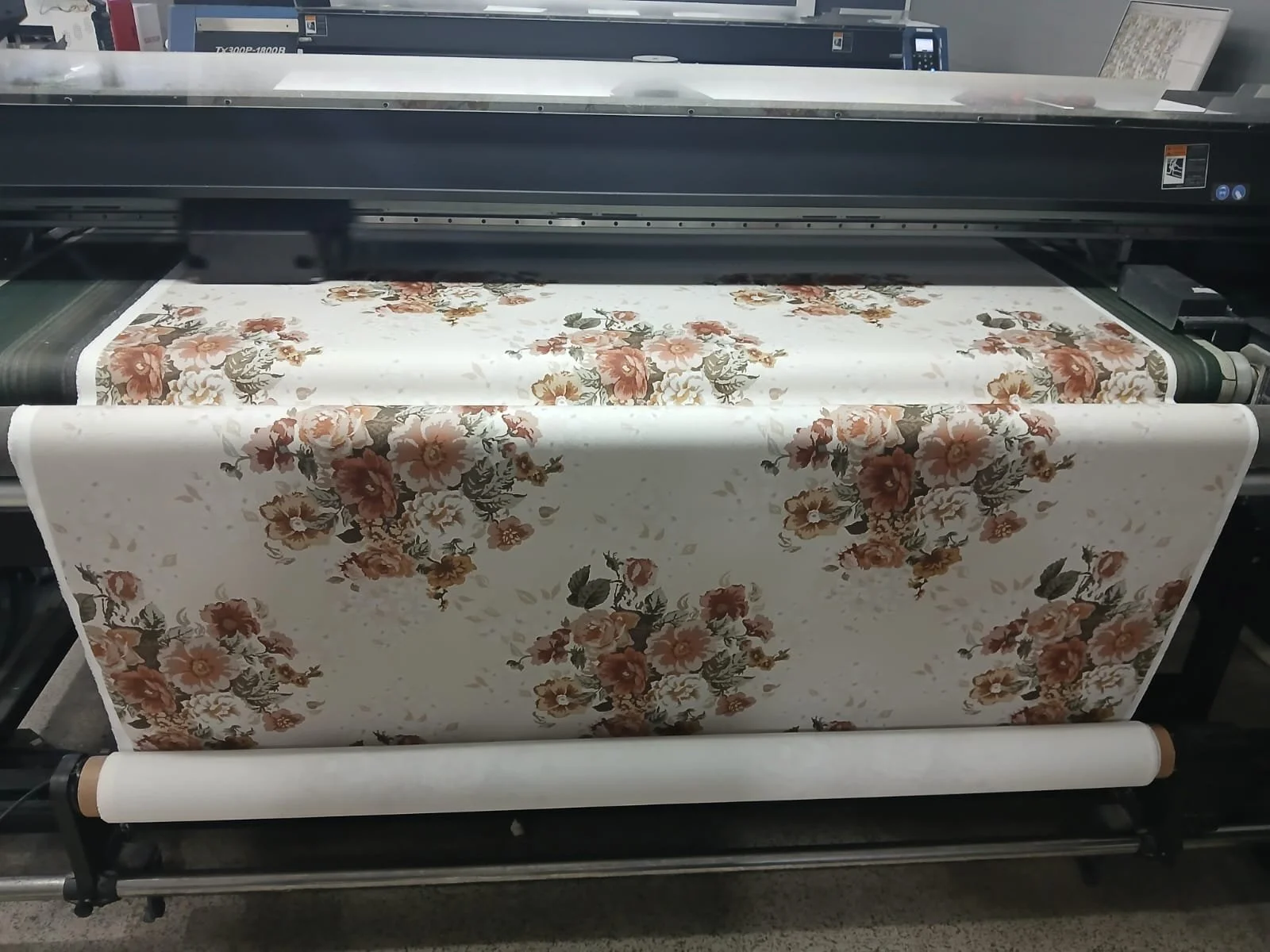
That project mattered because it showed exactly why bespoke textile design can be so valuable. The client was not simply looking for any fabric. She wanted to restore the heritage furniture piece to it’s original glory.

The Gap Between Interiors And Print
One of the biggest frustrations in the interiors world is the disconnect between interior designers and print and textile designers. These two disciplines are directly linked, yet they often operate separately with very little communication.
From my experience working for a soft furnishing company for three years, I often felt the frustration of trying to source the right fabric for a very specific application. Some projects required flame-retardant fabric. Others needed wide-width textiles for manufacturing. Many needed a very particular colour, texture, or style. Yet the available options were often limited, and the search could become unnecessarily difficult.
That experience showed me something important: many interior projects are held back not by lack of vision, but by lack of access to the right textile solution.
What Many People Get Wrong
A common misconception is that interior designers must choose from whatever fabrics and wallpapers are already available. In reality, custom fabric and wallpaper design is an option far more people should be using.
Another problem is that the textile and print design industry can feel secretive. Mills, sourcing, and supply chains are often closely guarded, especially by importers and fabric suppliers. That can leave designers feeling shut out and frustrated, with limited access to colour ranges, availability, and original product options.
It is easy for a project to get stuck in that system. But it does not have to stay that way.
Who Should Hire a Textile Designer
If you are an interior designer in Auckland, or anywhere else for that matter, a textile designer may be the right fit if you need:
Custom fabrics or wallpapers for a specific project.
A textile solution that suits a technical requirement.
Better colour control than commercial ranges allow.
A design that feels original rather than repetitive.
A collaborator who understands interiors and how products will be used.
This is especially useful when the project calls for something unavailable through standard suppliers.
How To Hire The Right Textile Designer
Start by being clear about what you need. The best results come when you can explain the application, the mood, the technical needs, and the end use of the textile.
Look for a textile designer who can do more than create a pretty pattern or texture. You want someone who understands production, scale, placement, and how the design will behave in an interior setting. If possible, ask for examples of previous work, especially projects that were created for real applications rather than just portfolio imagery.
You should also look for someone who communicates well and understands collaboration. The strongest textile projects usually happen when the interior designer and textile designer work together from the start.
Where To Look
If you are looking for textile design support, start with designers who already speak the language of interiors. That may include freelance textile designers, surface pattern designers, and custom wallpaper designers who understand how their work will live in a real space.
You may also find value in sourcing through:
Freelance textile designers with a portfolio of custom work.
Designers who already work with interiors, upholstery, or wallpaper.
Collaborators who are open to bespoke commissions.
Local designers who can respond to the needs of Auckland-based projects.
The best fit is not always the biggest studio or the most visible name. It is usually the person who understands your project, your constraints, and your desired outcome.
Why Collaboration Matters
The interior designer sees the whole room. The textile designer sees how pattern, material, and scale can shape that room. When those two perspectives work together, the result is usually stronger, more functional, and more distinctive.
I believe custom textile design should be part of the interior design conversation much earlier than it often is. When designers collaborate from the beginning, projects become more considered and more individual. That is especially important in a market where ready-made options are limited.
Final Thought
If you are frustrated by limited fabrics, limited wallpaper choices, or a lack of technical options, custom textile design can offer a better path. It is not only about making something beautiful. It is about creating something that works.
For interior designers, that can mean better alignment with the brief, better manufacturing outcomes, and a more original final result. For clients, it can mean a space or piece of furniture that feels truly tailored rather than compromised.