Understanding Design Methods and Aesthetics
As a textile designer who works with both hand‑painted artwork and digital tools, I’ve learned that the real difference between these methods isn’t about value or legitimacy — it’s about experience, expression, and the way each medium shapes the creative journey. Every artist has a unique workflow, and most of us blend tools, techniques, and programs to bring a design to life. There is no right or wrong way to create textiles. There is only the way that feels true to you.
This post explores the nuances between digital and hand‑drawn textile design through my own process, examples, and personal reflections — including where I thrive, where I struggle, and how both methods support the final artwork.
The Artist’s Hand: Why Analog Still Matters
Most artists begin with loose sketches, expressive marks, and imperfect lines. That early stage — the messy, exploratory part — is where your artistic voice forms. For me, this happens most naturally with a paintbrush, ink, or pencil. My hand moves more freely on paper than it does on a glass screen. There’s a physicality to traditional materials that encourages gesture, spontaneity, and play.
Even though digital tools can mimic traditional textures beautifully, I find that analog techniques help new designers develop:
expressive mark‑making
confidence in their artistic voice
comfort with imperfection
an understanding of real materials
a sense of rhythm and movement in their work
These qualities translate beautifully into digital tools later — but they begin with your hands.
A Real Example: My Pear Trellis Pattern
One of my favourite examples of blending analog and digital methods is my pear trellis pattern — a design that began with paint and ended as a refined, seamless repeat.
The Hand‑Painted Stage
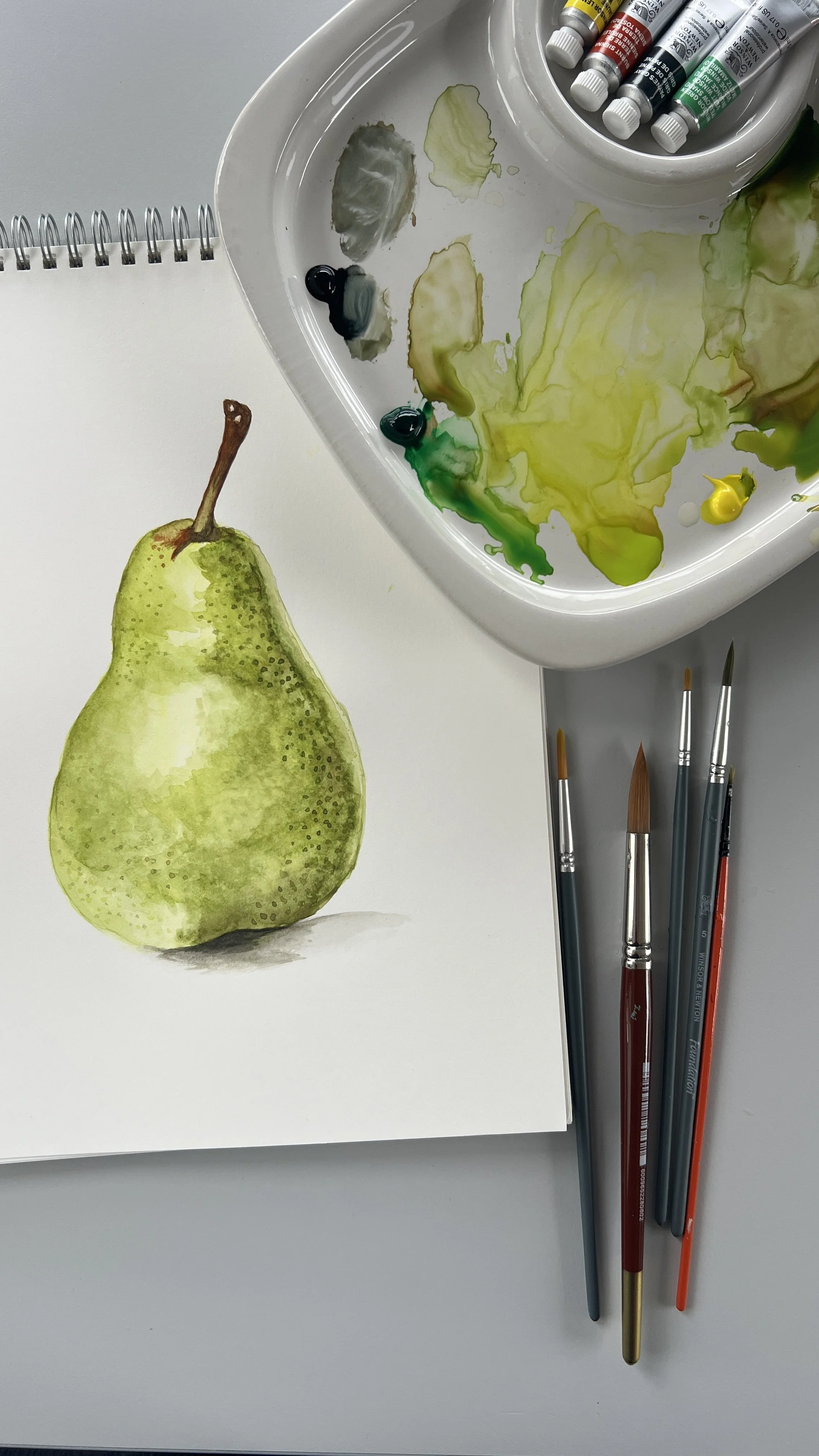
Hand-painted watercolour pear
I started by painting a realistic watercolour pear, building up soft gradients, subtle speckles, and natural texture. Alongside it, I painted several black ink branches and leaves using loose, expressive brushstrokes.
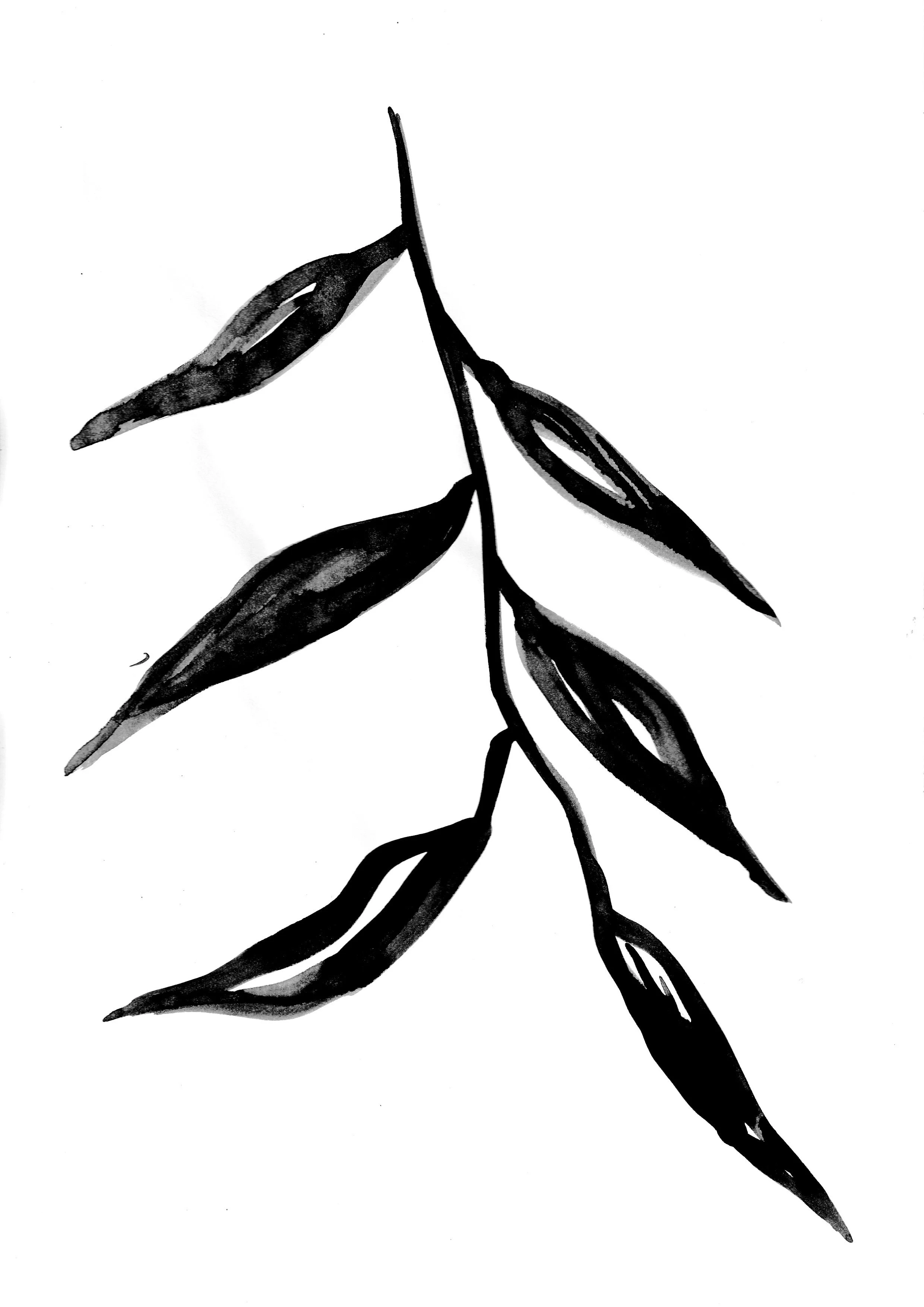
Black and white scan of black watercolour branch and leaves
Digitising the Artwork
Once the paintings were dry, I scanned them and brought them into Adobe Illustrator. This is where digital tools shine:
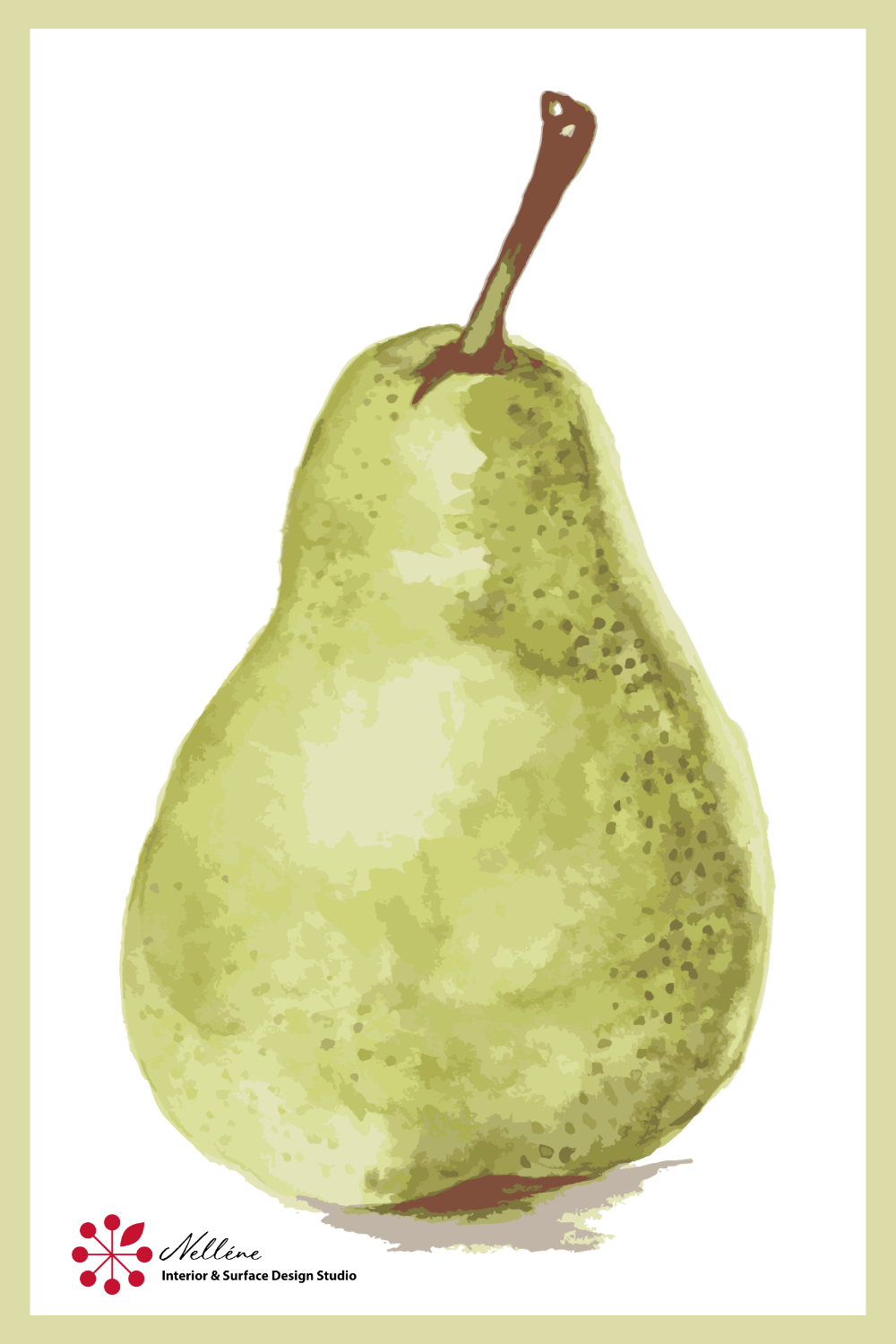
I vectorised the artwork
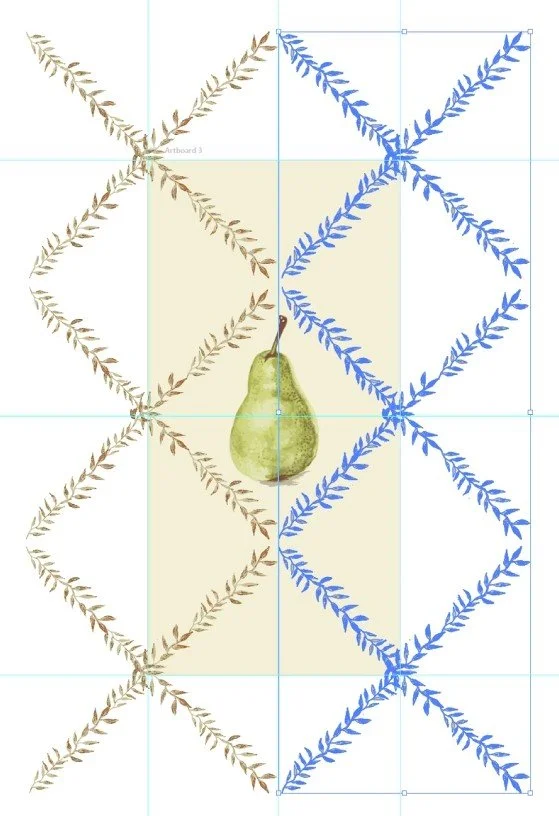
recoloured the black branches using tones pulled from the pear
refined edges and contrast
scaled motifs without losing quality
Building the Repeat
Illustrator allowed me to construct a precise trellis structure using the leaves and branches. The pear became the centrepiece of each diamond, creating a rhythmic, structured repeat that still retained the softness of hand‑painted texture.
The Final Textile
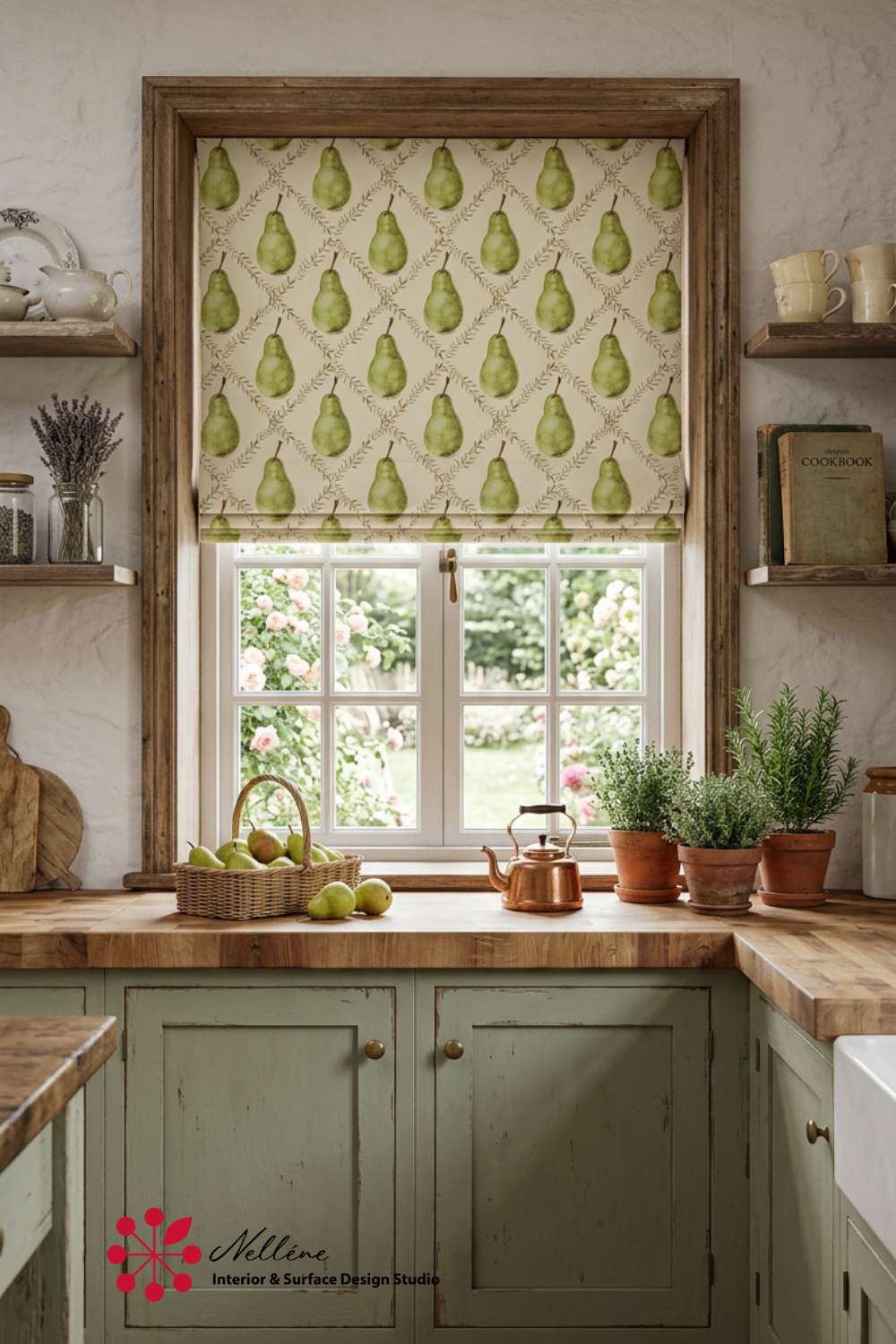
Pear trellis repeat pattern- printed on a textile, used in a roman blind for a cottage-core kitchen
Seeing the pattern printed on fabric and used as a Roman blind in a kitchen was a full‑circle moment. The warmth of the watercolour pear and the expressive ink leaves translated beautifully into a functional interior textile — a perfect example of how analog and digital can work together.
The Strengths of Digital Tools
Digital tools are essential for building out patterns and creating seamless repeat blocks. They offer a level of precision and flexibility that traditional methods simply can’t match.
What Digital Tools Make Easier
Precision and symmetry
Recolouring without repainting
Building repeats quickly and accurately
Scaling motifs for different products
Client revisions and adjustments
Testing multiple colourways instantly
Cleaning edges or adjusting contrast
These strengths don’t replace hand‑painting — they enhance it. They allow you to take expressive artwork and refine it into a polished, production‑ready textile.
Aesthetic Differences: Hand‑Painted vs. Digital
Visually, the gap between digital and hand‑painted artwork has narrowed dramatically. Programs like Procreate offer custom brushes that mimic watercolour, gouache, ink, pencil, and charcoal with astonishing realism. Many everyday viewers would struggle to tell the difference.
What I’ve Observed
Digital textures can be incredibly painterly and rich.
Hand‑painted edges often feel softer, more organic, more human.
Digital edges tend to be cleaner and more controlled.
Hand‑painted colour has natural variation; digital colour is more uniform unless intentionally textured.
Both methods can achieve depth, emotion, and beauty — it depends on the artist, not the tool.
Ultimately, aesthetics come down to preference. Some artists thrive in digital spaces. Others feel most alive with a brush in hand.
The Emotional Experience of Creating
This is the part designers don’t talk about enough.
Personally, I struggle to create freely on the tablet. I often feel like my concept drawings need to be perfect from the start, and that pressure can stall my creativity. I stop before the design is finished. I’m not sure whether this is simply a matter of needing more practice, or whether digital sketching just isn’t truly part of my workflow — and that’s completely okay.
Your medium should support your creativity, not restrict it. If digital tools feel tight or intimidating, it’s fine to begin with analog and move into digital later. If digital feels natural and expressive, embrace it fully.
There is no hierarchy. Only preference.
Advice for New Textile Designers
If you’re just starting out, here’s what I genuinely believe:
Begin With Your Hands
Paint, draw, ink, scan, and play. Learn to be expressive first. Build confidence in your marks, your gestures, your imperfections. Understand how real materials behave.
Translate Your Voice Into Digital Later
Once you know how you naturally create, digital tools like Procreate will simply become an extension of your existing voice. They will translate what you already do — not replace it.
Choose the Method That Supports Your Creativity
Your workflow doesn’t need to look like anyone else’s. If hand‑painting feels right, honour that. If digital feels intuitive, embrace it. If you love both, blend them.
The goal is not to choose the “best” method. The goal is to choose the method that helps you create your best work.