I have personally met lots of people thinking creative jobs like photography, videography, musicians , jewellery design, graphic design, animation, digital drawing, painting, print design, fashion design, or making graphics for marketing purposes are just “fun hobbies.”
But that idea is completely wrong. Creative work is actually a huge part of the world’s economy. In fact, creative industries make trillions of dollars and support millions of jobs.
Creatives don’t just make things look nice. They help companies make products people actually want to buy. Without creative workers, many businesses wouldn’t exist at all.
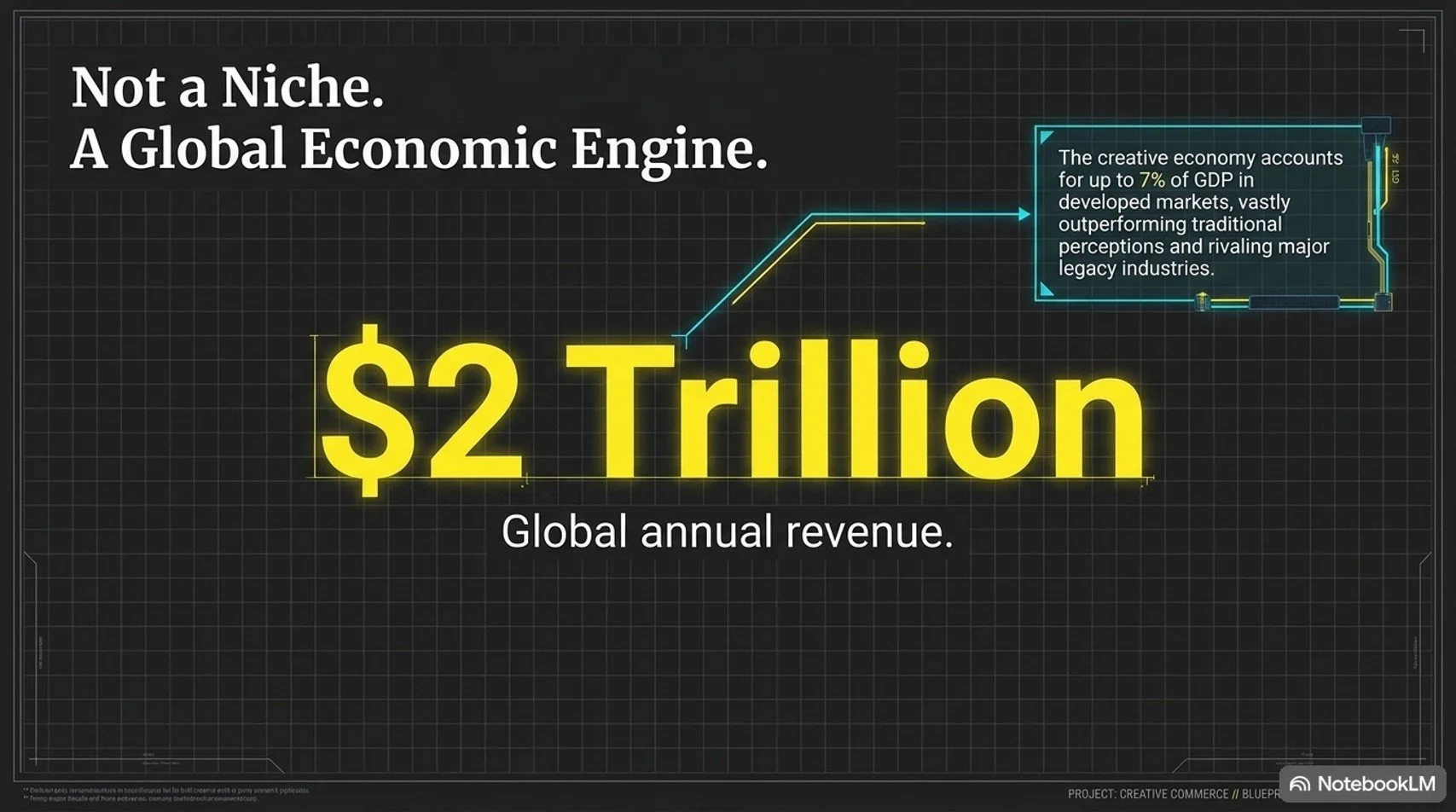
The Strange Problem: People Who Need Creatives Often Don’t Respect Them
I once met a man who was the Managing Director of an upmarket and well-known custom curtain‑making company. He bragged about telling his artist friend that his work had “no value” and that he should “get a real job.”
But here’s the funny part: His entire business depends on artists and designers.
Without designers creating patterns, colours, and textures, he would only have access to plain fabric. And plain fabric doesn’t sell. So even though he built his 40 year career in this industry, he didn’t understand that artists and designers were the reason he could make that money in the first place.
Creative work actually helps many other industries grow. For every $1 a creative worker earns, up to $2.65 is created in other parts of the economy. Creative industries has a direct impact on retail, manufacturing, and real estate.
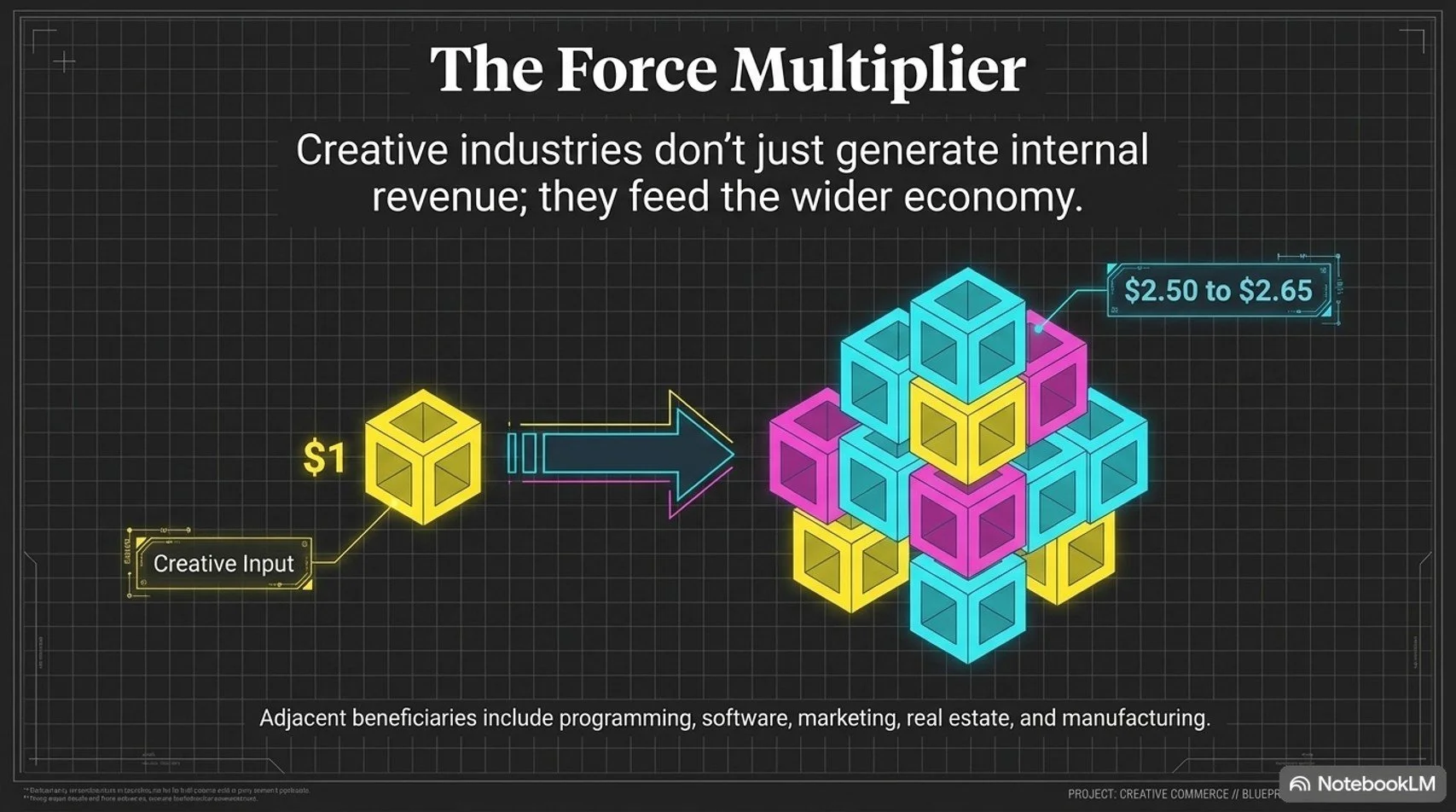
The Unfair Expectation: Working for Free
Creative industries often get asked to work for free “for exposure” or “to prove themselves.” This is called spec work, and it’s a big problem.
Here are two examples I’ve experienced:
The Competition Trap: I entered a design competition and created four professional textile repeat patterns based on their design brief. I won the People’s Choice award, but the prize was only a $200 store voucher.
The store got free designs and free advertising, while I basically worked for nothing.
The Concept Trap: A wine bar owner wanted custom wallpaper for his restaurant. Even though I had 18 years of experience in the interior industry and a print portfolio, he refused to pay a deposit and demanded three full design concepts before he would even consider to pay the deposit.
These situations happen all the time because people think creative work is “just for fun,” not a real job.
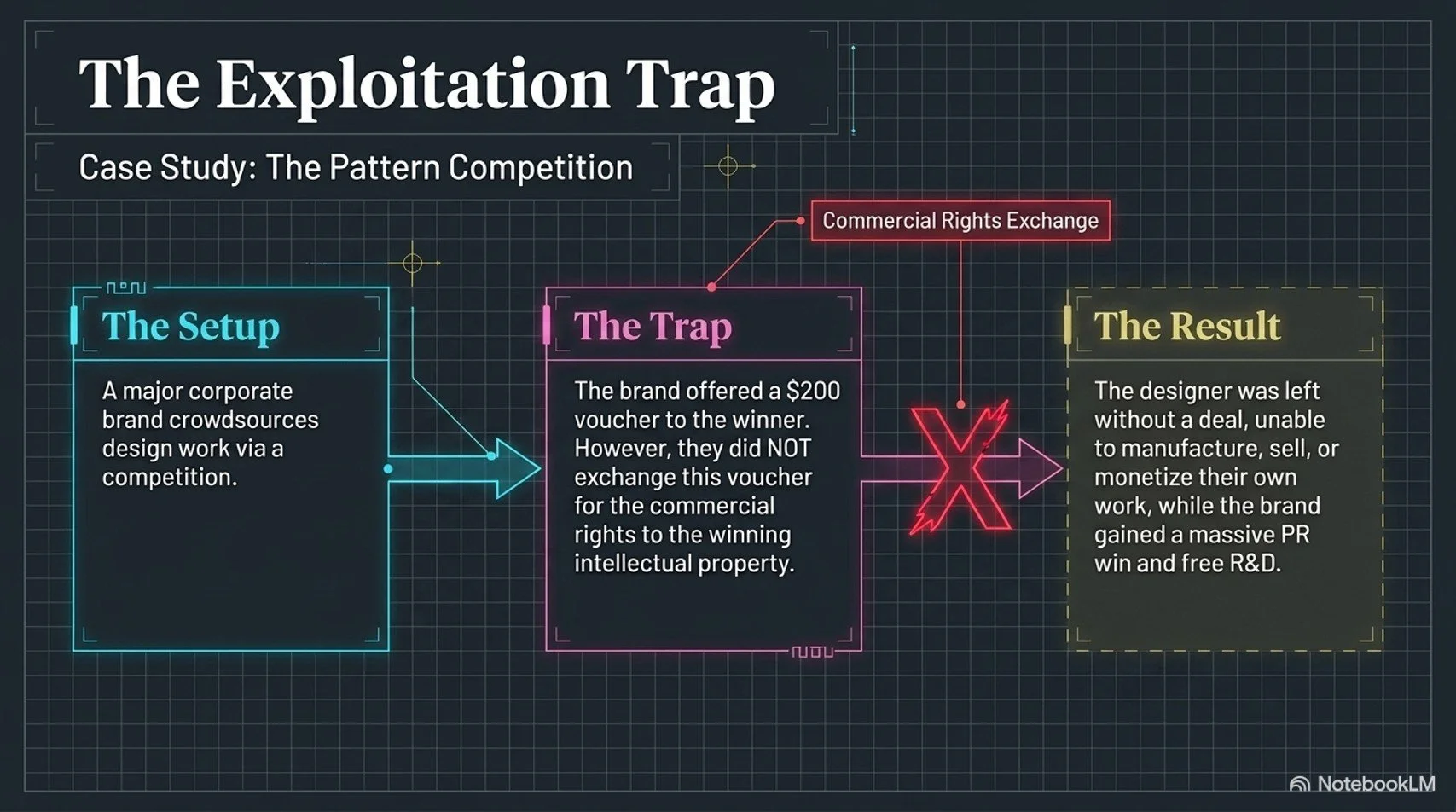
Case Study: The Pattern Competition
The Hidden Work Behind Every Design
When someone sees a finished design, they usually think it was quick and easy. But creative work involves a lot of technical skill and training.
For example, over the years I’ve had to learn multiple software packages within the Interior design and Print Design industry:
Professional software: Adobe Creative Cloud, AutoCAD, Revit, ArchiCAD, SAP, SketchUp, Blender just to name a few.
Industrial knowledge: colour science, printing, materials, how fabric looms work and what the limitations are.
Business skills: Knowledge of building codes, project management, procurement, managing suppliers, budgeting, marketing and bookkeeping.
Creative work is not just painting. It’s problem‑solving, engineering, and business strategy.
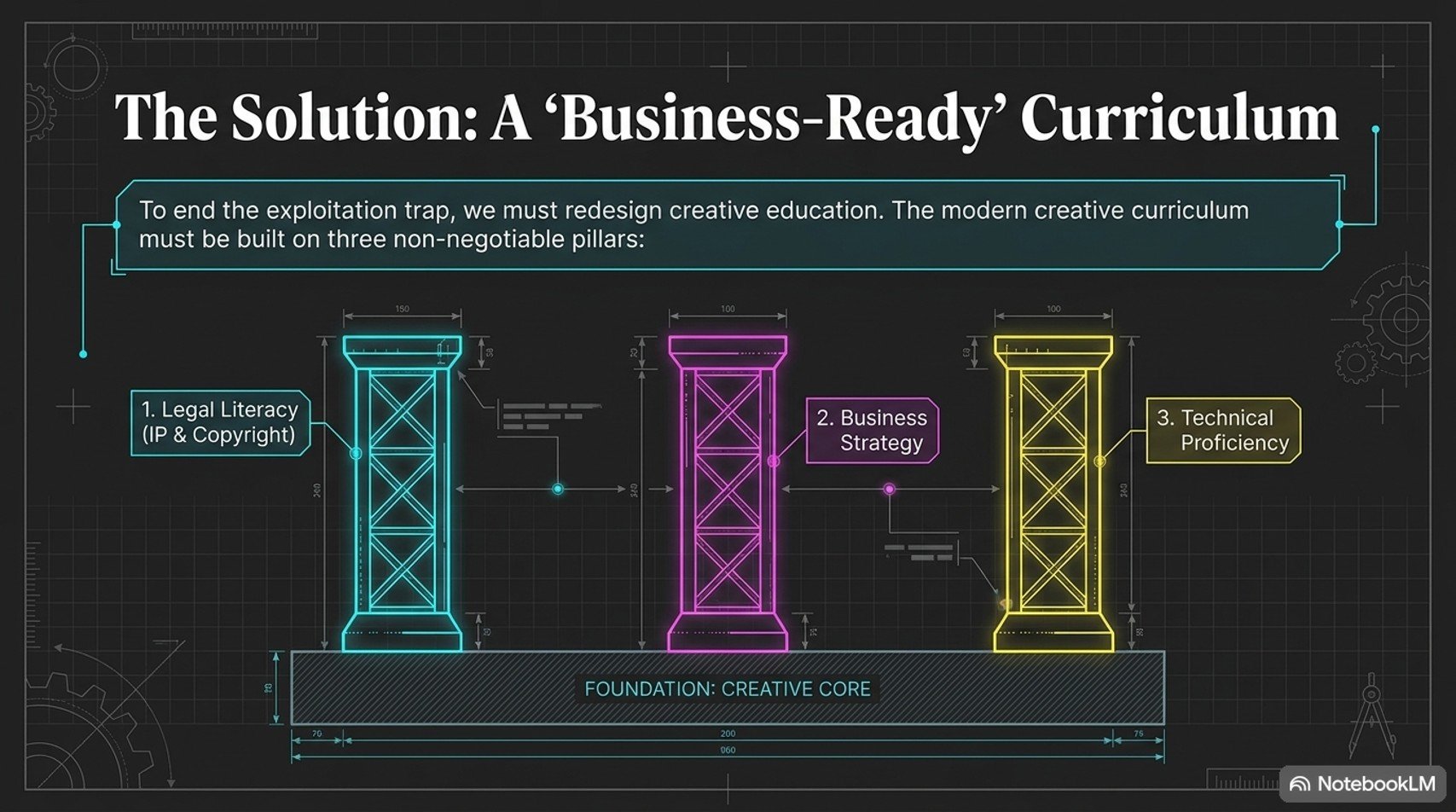
3 Pillars of a Creative Business
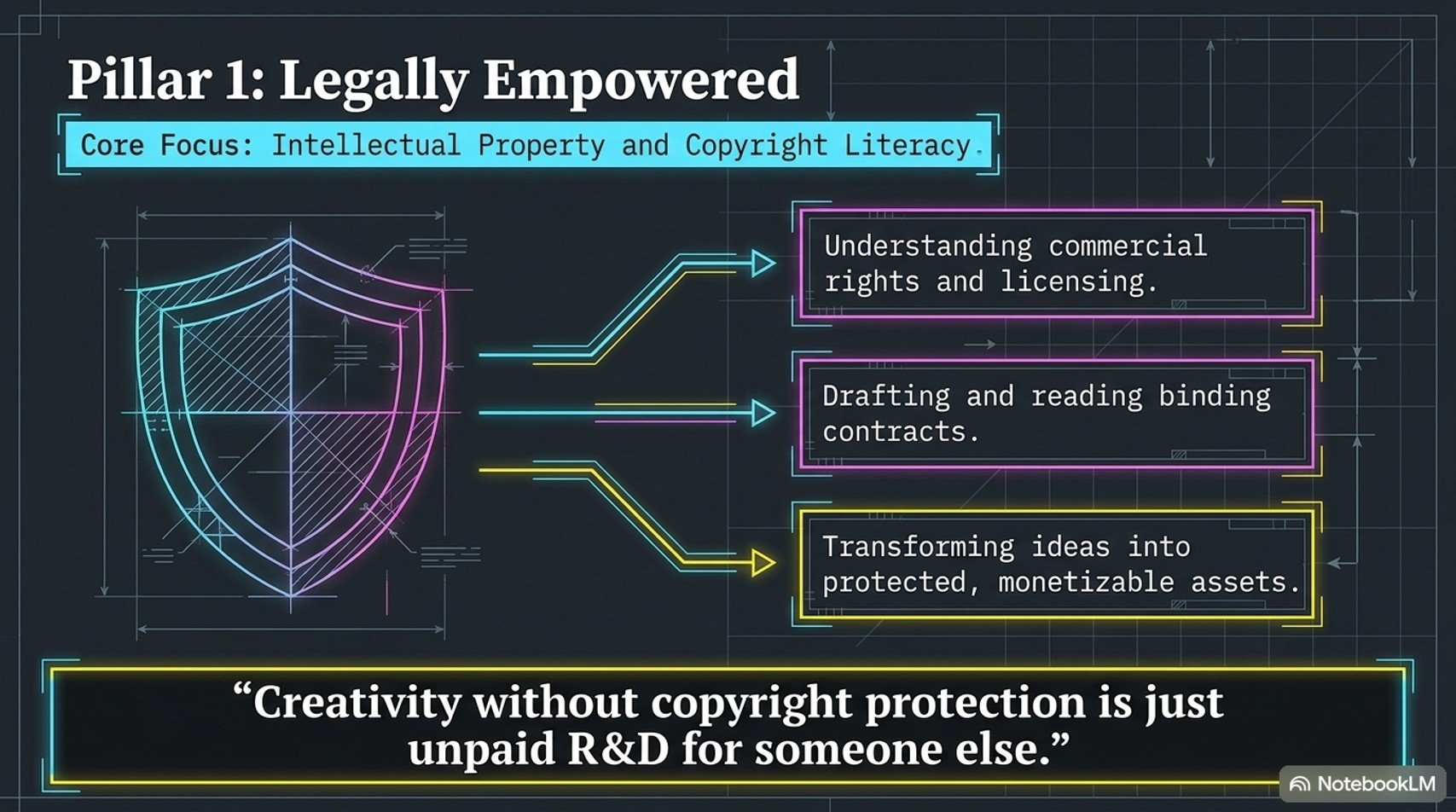
Pillar 1: Intellectual Property and Copyright Literacy
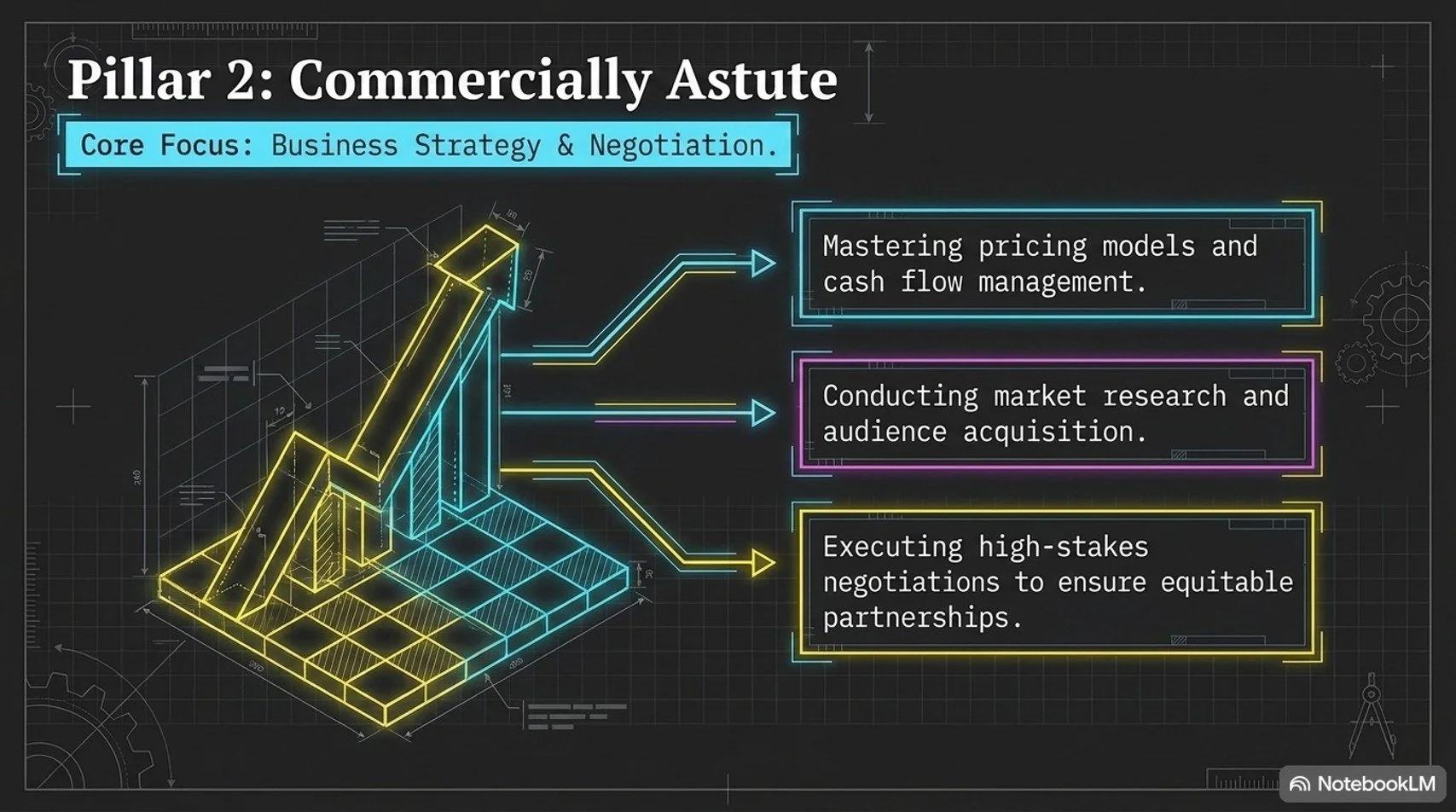
Pillar 2: Businss Strategy and Negotiation
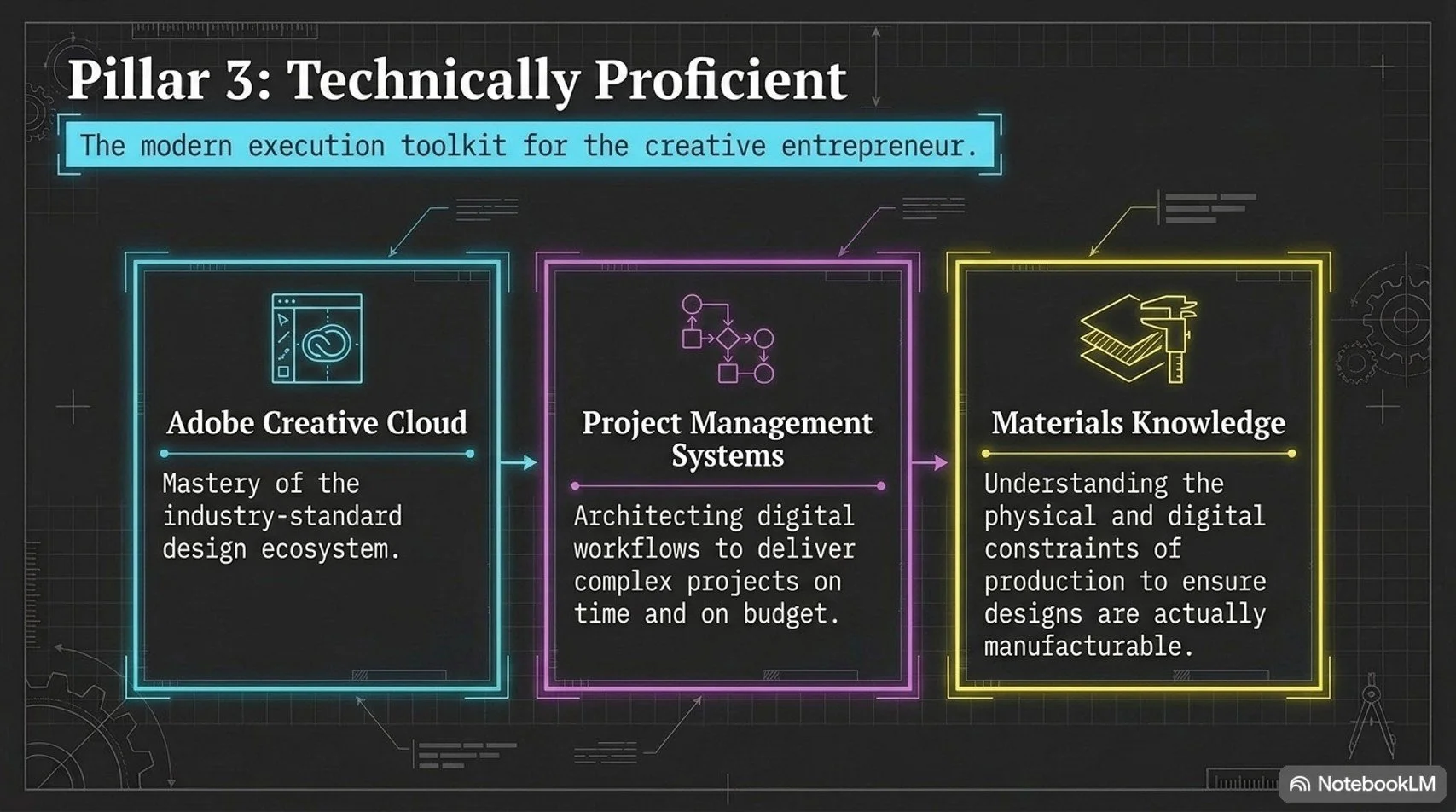
Pillar 3: Technically Proficient
How We Fix the Problem: Better Education for Creatives
To stop creatives from being taken advantage of, schools and universities need to teach more than just art skills. They should also teach:
Negotiation: how to explain your value and ask for fair pay
Legal knowledge: how copyright and IP work so creatives can protect their ideas
Financial skills: how to use contracts, manage money, and build a long‑term career
If creatives learn these things, they can stand up for themselves and be treated like the professionals they are.
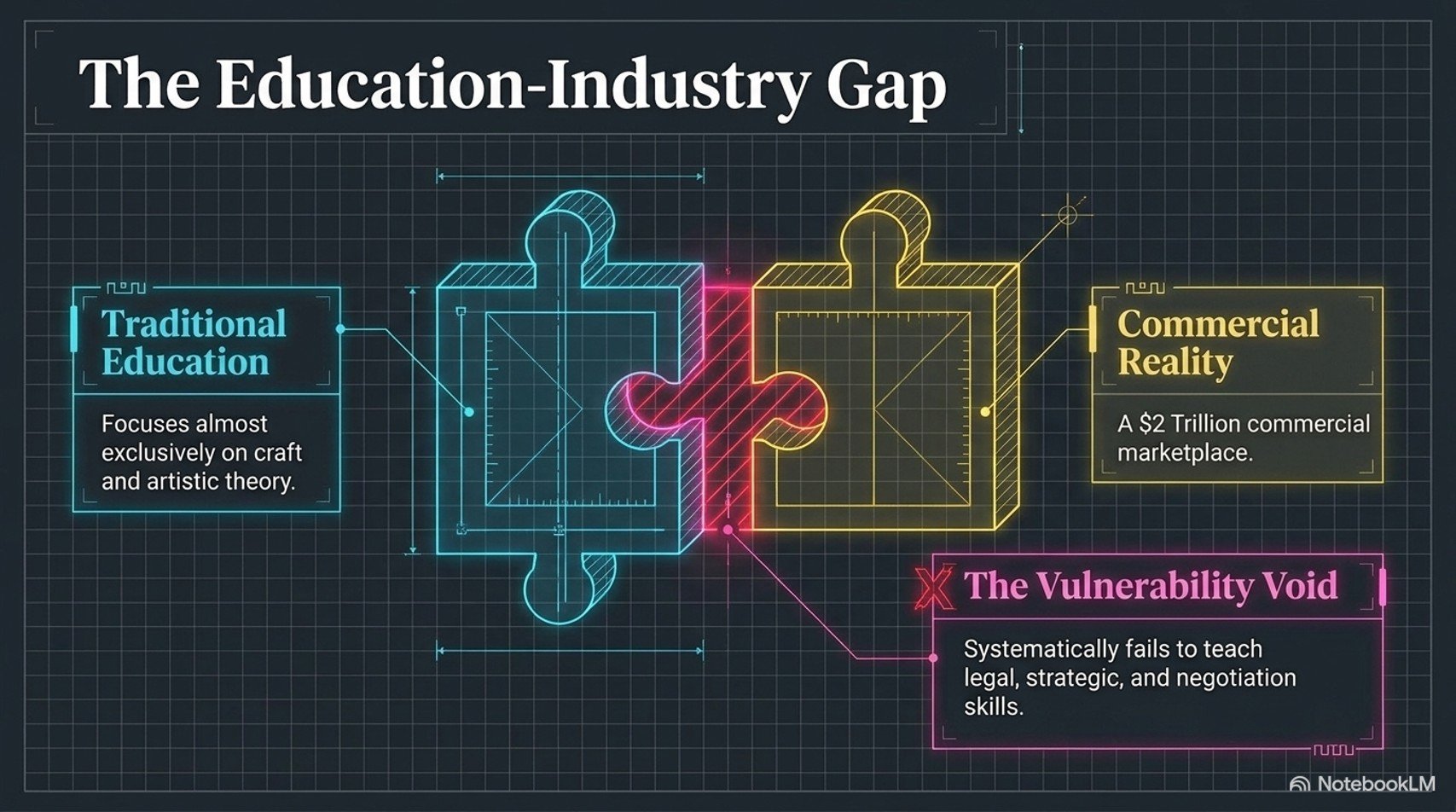
Professional Respect Matters
Other jobs, like sound engineers or drone operators, have official certificates that prove they are trained and serious. Most creative Industries also come with certificates and University degrees.
Creative workers deserve the same kind of recognition and respect for their services and expertise.
The Bottom Line
The creative economy is growing fast. But it will only reach its full potential when people stop treating artists and creatives like hobbyists and start treating them like the essential workers they are.
Respect starts with:
fair pay
a signed contract
and a deposit
Anything less isn’t an opportunity, it’s taking advantage of someone’s skill.