Working with a textile designer is one of the most beautiful parts of bringing a space or product to life. When your brief is clear, thoughtful, and anchored in your vision, it becomes a kind of creative compass — guiding the designer toward work that feels intentional, aligned, and quietly extraordinary. A strong brief doesn’t just save time. It deepens the work.
Why a Strong Textile Brief Matters
A textile brief is both a story and a specification. It helps your designer understand:
What you’re trying to express
How the textile will live in the space
What it needs to withstand
Where the creative boundaries sit
In luxury interiors and hospitality, precision matters. The more clarity you offer, the more confidently your designer can make decisions about materials, pattern scale, repeat, durability, and production methods.
Understanding Your Vision
Describe the Story Behind the Project
Textiles carry emotion. They hold atmosphere. They whisper something about the people who inhabit a space. Sharing the story behind your project helps your designer translate feeling into form.
Consider offering:
The mood you want the space or product to evoke
The narrative or memory that sits behind the concept
Any inspirations that feel meaningful — botanical, architectural, cultural, or personal
This is where your designer begins to understand the soul of the work.
Provide Visual References
Designers don’t need perfect descriptions — they need clues. Visual references help bridge the gap between what you imagine and what they can create.
Include:
Moodboards
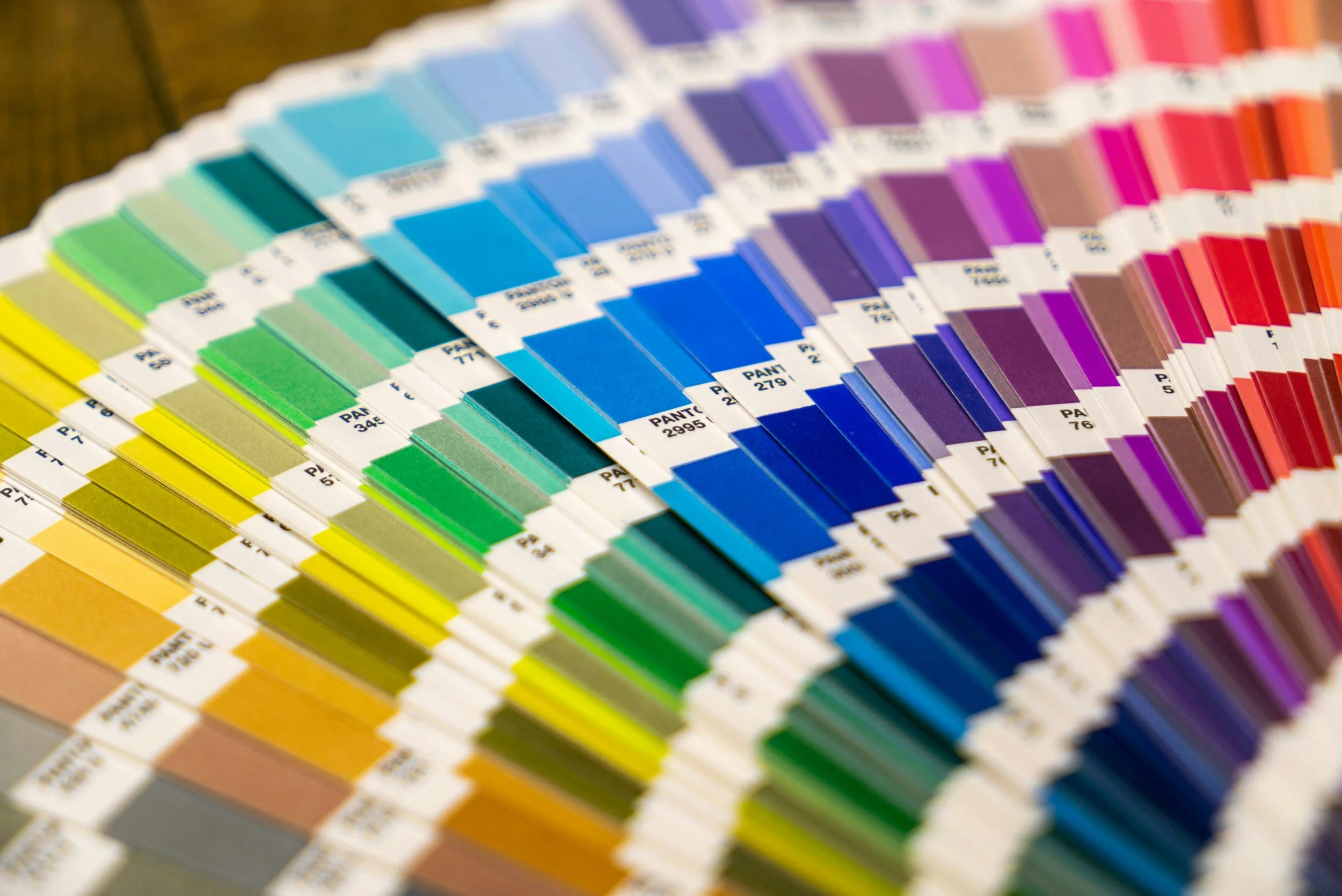
Colour palettes (Pantone, brand colours, or hand‑mixed swatches)
Images of spaces, artworks, materials, or textures
Examples of patterns you love — and those you don’t
Annotated references are especially helpful in hospitality and luxury interiors, where subtle shifts in scale or texture can change everything.
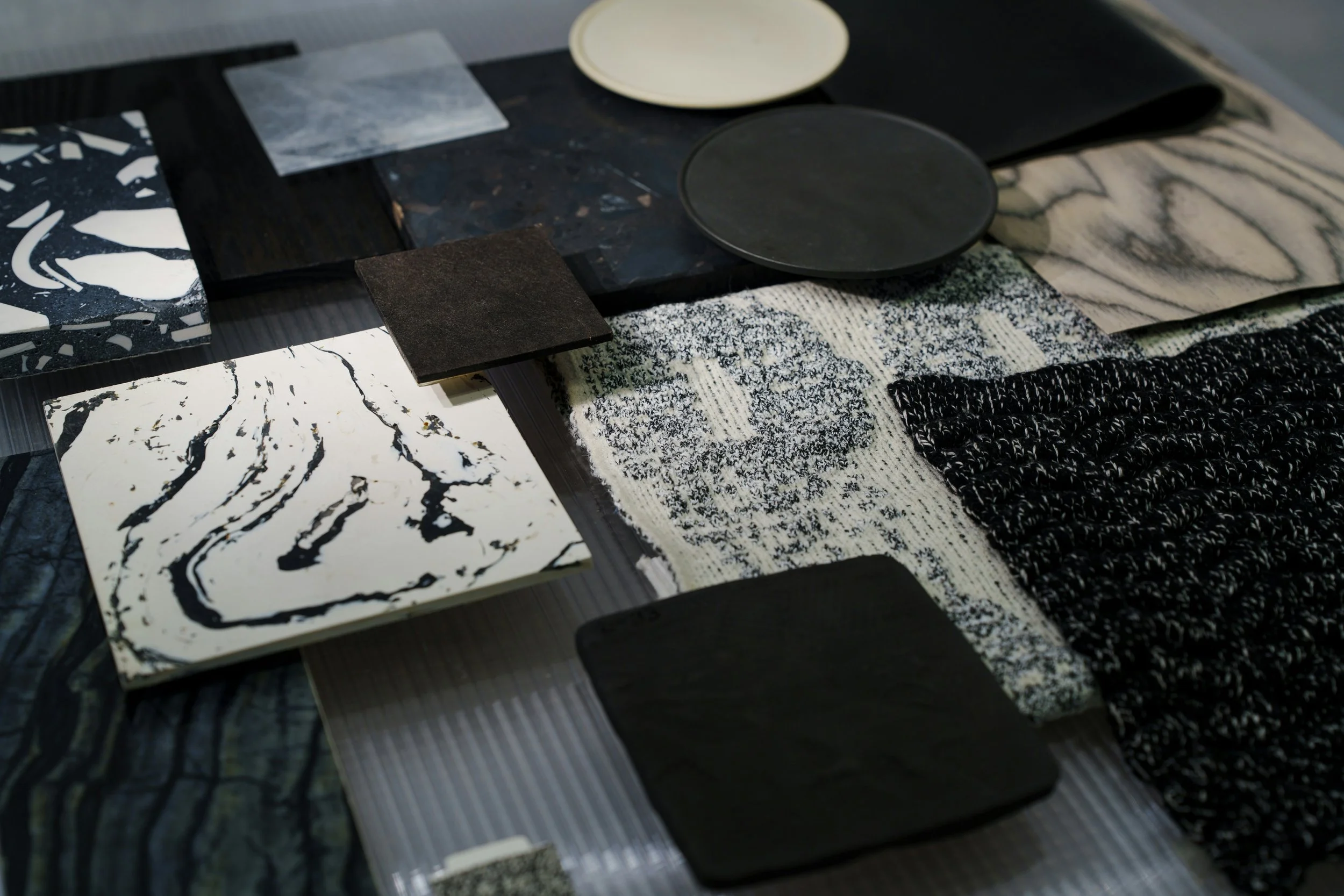
Moodboard for Luxury Interior
Communicating Practical Requirements
Define the Intended Use
Textiles behave differently depending on where they’re placed. Clarifying the intended use helps your designer choose fibres, weaves, and finishes that will perform beautifully.
Share whether the textile is for:
Upholstery
Drapery
Bedding
Wallcoverings
Rugs
Accessories
And note whether it’s for residential or hospitality use, indoor or outdoor, high‑traffic or low‑touch.
Outline Performance Expectations
Luxury and hospitality projects often come with specific performance needs. Be clear about any requirements such as:
Durability thresholds
Fire ratings
Stain resistance
Washability
Acoustic performance
Sustainability or regenerative material preferences
This ensures the final textile is not only beautiful but fit for purpose.
Specify Scale and Repeat
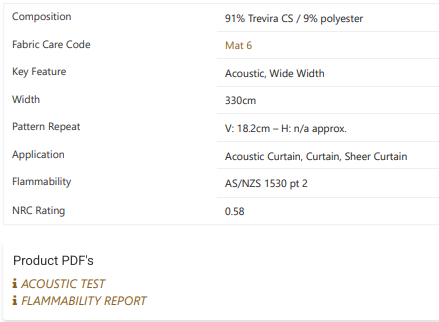
Pattern scale shapes how a textile feels in a space. A motif that looks delicate on screen may feel bold on a sofa or wall.
Clarify:
Desired repeat size
Whether the pattern should sit quietly or make a statement
How motifs should relate to each other
Any architectural or furniture constraints that influence scale
Project Logistics and Constraints
Budget and Timeline
Designers appreciate honesty. Sharing your real parameters helps them propose solutions that honour both your vision and your constraints.
Include:
Your budget range
Key deadlines
Sample approval stages
Production lead times
Any non‑negotiables
This clarity supports smoother decision‑making and fewer surprises.
Decision‑Making Structure
Luxury and hospitality projects often involve multiple voices. Let your designer know:
Who is involved
Who approves what
How feedback will be delivered
How many revision rounds are expected
Clear structure keeps the project moving with ease.
Technical Attachments and Supporting Material
Provide All Relevant Documents
Designers work best when they can see the full picture. Include:
Floor plans
Elevations
Furniture schedules
Brand guidelines
Existing material palettes
Photographs of the space or prototypes
These details help your designer create textiles that feel integrated and intentional.

Project Floor Plans
Encouraging Creative Collaboration
Invite Exploration
A strong brief sets direction without closing doors. Encourage your designer to:
Suggest alternative materials
Explore unexpected colourways
Propose innovative production methods
Offer insights from their textile expertise
Luxury textile design is a partnership — your clarity plus their craft.
Communicate Openly and Often
Momentum matters. Keep communication warm and consistent with:
Regular check‑ins
Quick clarifications
Timely feedback
Shared reference updates
This keeps the project aligned and creatively alive.
Final Thoughts
A well‑crafted textile brief is an act of generosity. It gives your designer the insight they need to create work that feels deeply aligned with your vision — technically sound, emotionally resonant, and beautifully executed. Whether you’re designing for luxury interiors, hospitality spaces, or premium products, clarity and collaboration will always elevate the outcome.